Heavy Jets: Transcontinental Power
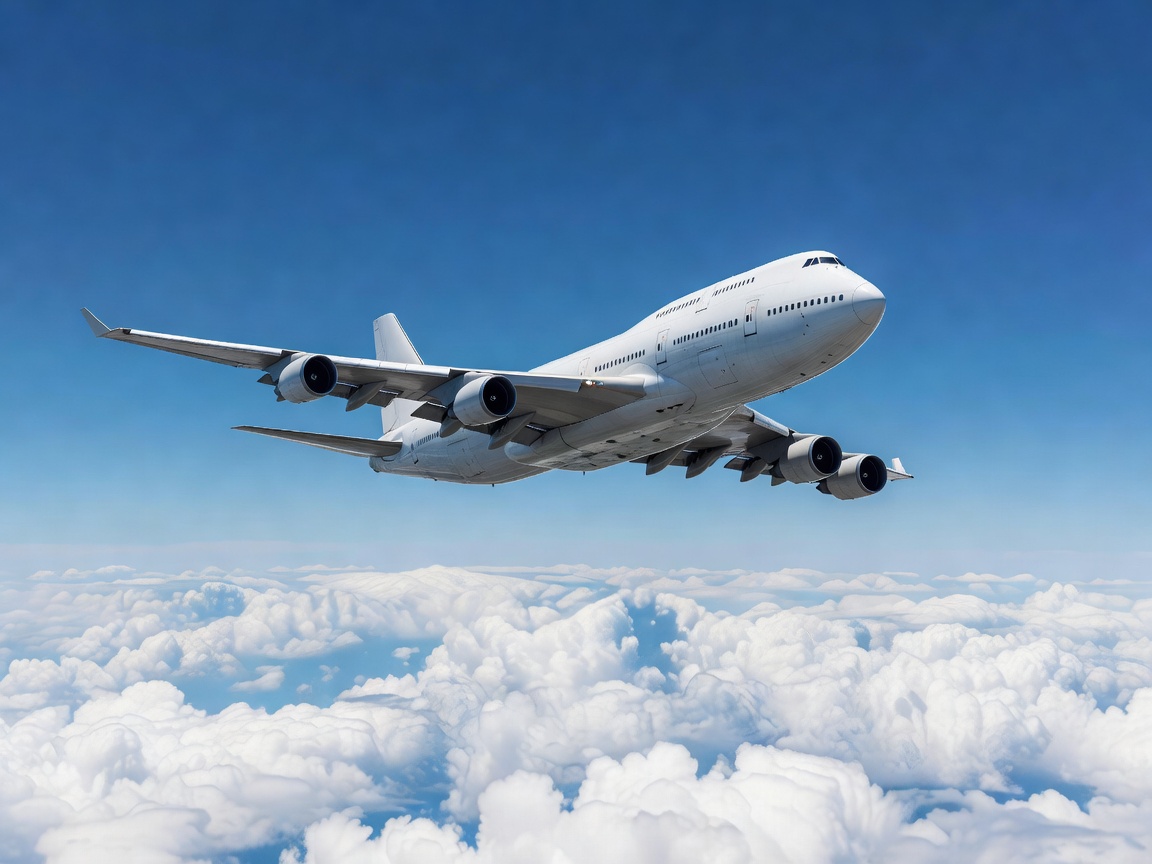
When itineraries demand crossing oceans or transporting large executive teams with substantial luggage requirements, the Heavy Jet classification stands as the prerequisite standard. These aircraft are magnificent feats of engineering, designed to operate at altitudes up to 45,000 feet, avoiding commercial weather patterns and minimizing turbulence.
Uncompromised Cabin Amenities
Heavy jets universally feature spacious, full stand-up cabins allowing unrestricted movement during flight. The interior real estate is typically divided into distinct living zones: a forward club seating area for productivity, a mid-cabin conference or dining group, and an aft state room or divan lounge space which can often convert into berthing for overnight journeys.
Culinary expectations are elevated in this tier. Heavy jets are outfitted with full galleys, inclusive of high-temperature ovens, microwaves, and extensive cold storage. This enables the dedicated flight attendant—a mandatory crew inclusion for safety and service in this class—to serve multi-course, fine-dining meals en route.
Leading Airframes in the Heavy Class
- Gulfstream G450: A descendant of the iconic GIV series, the G450 remains a benchmark in transatlantic capability. With its large, signature oval windows flooding the cabin with natural light, it offers an exceptional environment for up to 14 passengers.
- Bombardier Challenger 650: The best-selling large aircraft platform, renowned for having the widest cabin in its class. The Challenger 650 is a preferred choice for corporate flight departments due to its operational reliability and immense passenger comfort.
- Dassault Falcon 2000LXS: Featuring Dassault's legendary aerodynamic efficiency, the Falcon series provides exceptional short-runway performance for a heavy jet, allowing operators to utilize airfields that competitors cannot.
Operational Considerations
Prospective charter clients must factor in infrastructural requirements when booking heavy jets. Due to their significant maximum takeoff weight (MTOW), they require longer runway strips—typically 5,000 feet or more under standard conditions. Consequently, while they excel at connecting major international hubs seamlessly, they may not be able to access the smallest regional or mountainous airports without payload restrictions.
The Sleep Configuration
A primary driver for selecting a heavy jet is the ability to arrive at a destination well-rested. Most heavy jets allow for partial berthability, wherein club seats drop flat to connect and divans fold out into beds. Providing flight attendants with advance notice ensures proper linens and bedding are provisioned prior to departure, optimizing the overnight transoceanic experience.