Ultra-Long-Range: The Global Standard
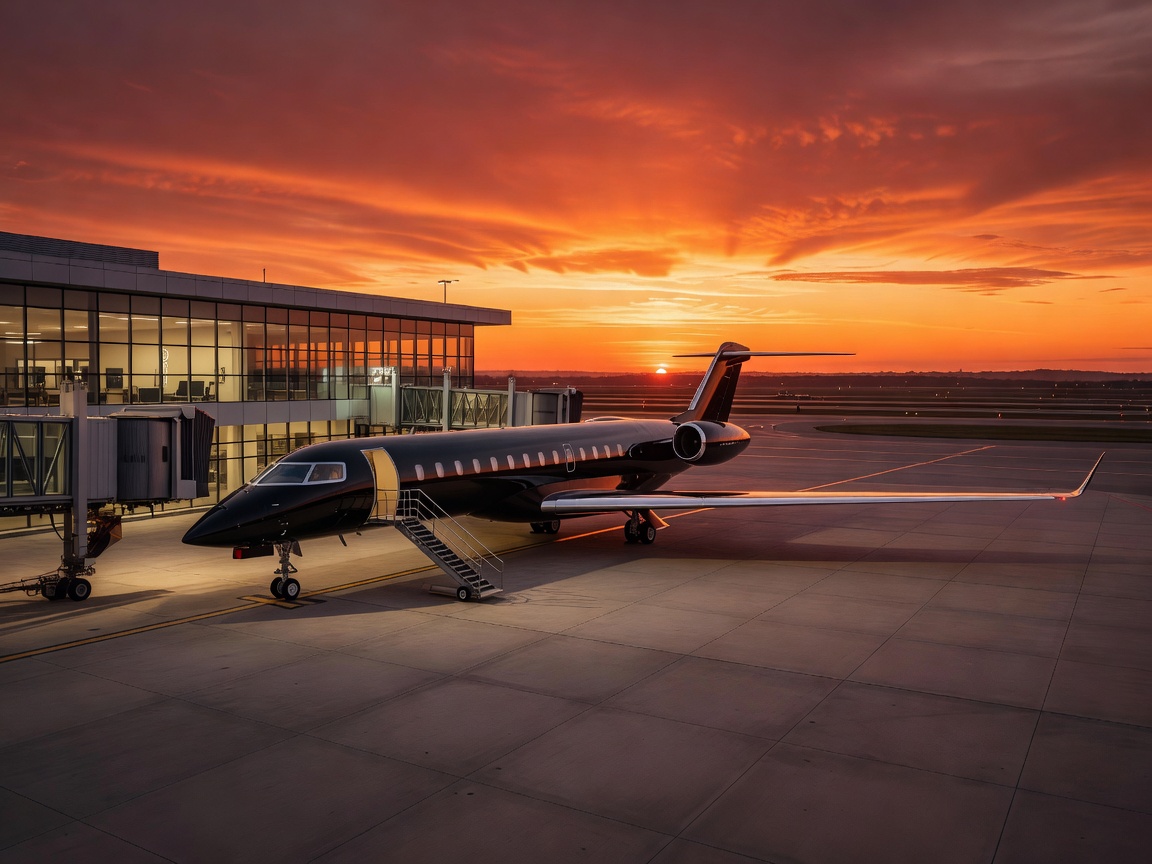
The Ultra-Long-Range (ULR) classification represents the absolute apex of civilian aviation engineering outside of converted commercial airliners. Built specifically to conquer vast intercontinental distances without the need for fuel stops, these aircraft connect disparate global financial centers—such as London to Singapore or New York to Tokyo—with extraordinary speed and uncompromising luxury.
Multi-Zone Living
Because ULR missions routinely exceed 12 hours of continuous flight time, cabin architecture transitions from mere transport into dedicated living spaces. ULR cabins are typically configured with three to four distinct zones. This ensures that a principal can rest in a private aft stateroom—often featuring a permanent double bed and an en-suite lavatory with a stand-up shower—while business meetings or dining simultaneously occur in the forward sections.
Advanced environmental control systems are another hallmark of this tier. These aircraft are equipped to maintain a remarkably low cabin altitude (often below 4,000 feet even while cruising at 45,000 feet), whilst utilizing HEPA filtration and 100% fresh air circulation. This technological application drastically reduces travel fatigue and the physiological effects of jet lag.
The Titans of the Sky
The ULR market is fiercely competitive, dominated by manufacturers pushing the boundaries of aerodynamic efficiency and range.
- Bombardier Global 7500: The current flagship of the Global family, boasting a staggering range of 7,700 nautical miles. It features four true living zones, a full-size kitchen, and revolutionary Nuage seating designed for ultimate ergonomic support on extreme long-haul flights.
- Gulfstream G650ER: A record-breaking airframe that held the title of the fastest and longest-range business jet for years. Its fly-by-wire technology, massive panoramic windows, and 7,500 nautical mile range make it a highly sought-after asset in the charter market.
- Dassault Falcon 8X: A tri-jet configuration offering enhanced safety and performance margins over oceanic routes. It pairs a 6,450 nautical mile range with arguably the quietest cabin environment in the industry and unmatched short-field capabilities for a jet of its immense size.
Crew Fatigue and Operations
Operating flights that span twelve or more hours introduces strict regulatory requirements regarding crew duty limits. Ultra-long-range charters typically require an augmented crew—three or more pilots—to rotate shifts. To facilitate this, ULR aircraft are equipped with a dedicated crew rest area located forward near the cockpit, ensuring the flight deck remains alert while maintaining the privacy of the passengers in the main cabin.